

Moving to assisted living is usually a process rather than a single decision. It may begin after a fall, a hospital stay, increasing difficulty with household tasks, or a family conversation about safety and support. For residents of Ellwood City, planning ahead can make the transition more orderly and give the future resident greater control over daily choices.
What does assisted living provide?
Assisted living generally provides housing, meals, supervision, and help with activities of daily living while allowing residents to maintain as much independence as possible. Support may include bathing, dressing, walking, toileting, medication assistance, transportation arrangements, laundry, and coordinating health care.
Pennsylvania distinguishes assisted living residences from personal care homes. Assisted living residences may serve people with higher care needs who do not require continuous nursing-facility care, and they are designed to support aging in place and resident decision-making. Both settings must be licensed and inspected by the Pennsylvania Department of Human Services. ([pa.gov](https://www.pa.gov/agencies/dhs/resources/aging-physical-disabilities/personal-care-homes?utm_source=openai))
Assisted living is not the same as a nursing home. A nursing home provides a higher level of medical and nursing care, while assisted living is primarily a residential setting with personal care and supplemental health services.
When should a person begin considering a move?
There is no single age or medical condition that automatically means assisted living is appropriate. The more useful question is whether remaining at home is still safe, manageable, and consistent with the person’s preferences.
Common signs that planning may be timely include:
- Repeated falls, near-falls, or difficulty using stairs
- Missed medications or confusion about prescriptions
- Problems preparing meals, keeping food available, or maintaining adequate nutrition
- Increasing difficulty bathing, dressing, or using the bathroom safely
- Unpaid bills, scams, or difficulty managing household responsibilities
- Social isolation, especially after driving becomes difficult
- A caregiver becoming exhausted or unable to provide reliable daily help
- A recent hospitalization followed by reduced strength or confidence
A move does not need to happen immediately after the first warning sign. Starting early allows time to compare settings, organize records, discuss finances, and involve the older adult in decisions.
Who should participate in the decision?
The future resident should be included as much as possible, even when family members are providing most of the planning. A useful first conversation focuses on what the person wants help with, what routines matter most, and what feels uncomfortable about moving.
Depending on the circumstances, the planning group may include:
- The older adult
- Family members or a trusted friend
- A primary care clinician
- A hospital discharge planner or social worker
- A person with legal authority to assist with health or financial decisions
Family members should avoid assuming that one person can answer every question. A medication list may be incomplete, for example, while a neighbor or friend may know more about recent changes in mobility or daily habits.
How do families compare assisted living residences?
Begin by identifying the level of care required now and the types of support that may be needed later. Ask whether the residence can safely accommodate changes in mobility, medication needs, memory, continence, or personal care.
A licensed setting can be checked through Pennsylvania’s Human Services Provider Directory, which lists facilities by location, county, region, size, and licensing status. Pennsylvania regulations cover areas such as fire safety, staff training, nutrition, resident health care, personal care services, and physical conditions. ([pa.gov](https://www.pa.gov/agencies/dhs/resources/aging-physical-disabilities/personal-care-homes?utm_source=openai))
During visits, ask specific questions rather than relying only on appearance:
- What services are included in the monthly rate?
- Which services create additional charges?
- How is a resident’s care plan developed and updated?
- What happens if needs increase?
- Is a nurse available, and during what hours?
- How are medications stored and administered?
- What is the procedure for falls, injuries, or sudden illness?
- How are winter weather, power outages, and transportation interruptions handled?
- Are residents able to choose their wake-up time, clothing, meals, and activities?
- What are the rules for visitors, pets, smoking, personal furniture, and overnight stays?
Visit at more than one time of day when possible. A residence may feel different during meals, evenings, weekends, or shift changes. Observe whether staff speak respectfully with residents and whether residents appear comfortable asking for help. Pennsylvania’s guidance also recommends reviewing menus, activities, resident contracts, optional charges, and staff qualifications. ([pa.gov](https://www.pa.gov/agencies/dhs/resources/aging-physical-disabilities/personal-care-homes?utm_source=openai))
What paperwork is required before admission?
The residence typically gathers information about health, medications, mobility, cognition, personal care needs, dietary concerns, emergency contacts, and preferences. Pennsylvania’s assisted living requirements include a medical evaluation, a preadmission screening, an initial assessment, and an assessment-support plan. ([pa.gov](https://www.pa.gov/agencies/dhs/resources/licensing/pch-alr-licensing/pch-alr-compliance-forms?utm_source=openai))
For an assisted living residence, the initial assessment and preliminary support plan are generally completed within 30 days before admission. Certain situations, including direct admission from an acute-care hospital, allow limited post-admission completion under state rules. ([pa.gov](https://www.pa.gov/content/dam/copapwp-pagov/en/dhs/documents/licensing/bhsl-licensing/documents/Assisted_Living_Residences-2800_Regulatory_Compliance_Guide_RCG.pdf?utm_source=openai))
Families should gather the following before the move:
- Current medication list, including doses and prescribing clinicians
- Medical history and recent hospital or rehabilitation records
- Insurance information and identification
- Emergency contacts and advance directive documents
- Legal authorization documents, if someone assists with decisions
- Information about allergies, dietary restrictions, routines, and communication needs
- A list of mobility equipment, glasses, hearing aids, and other essential items
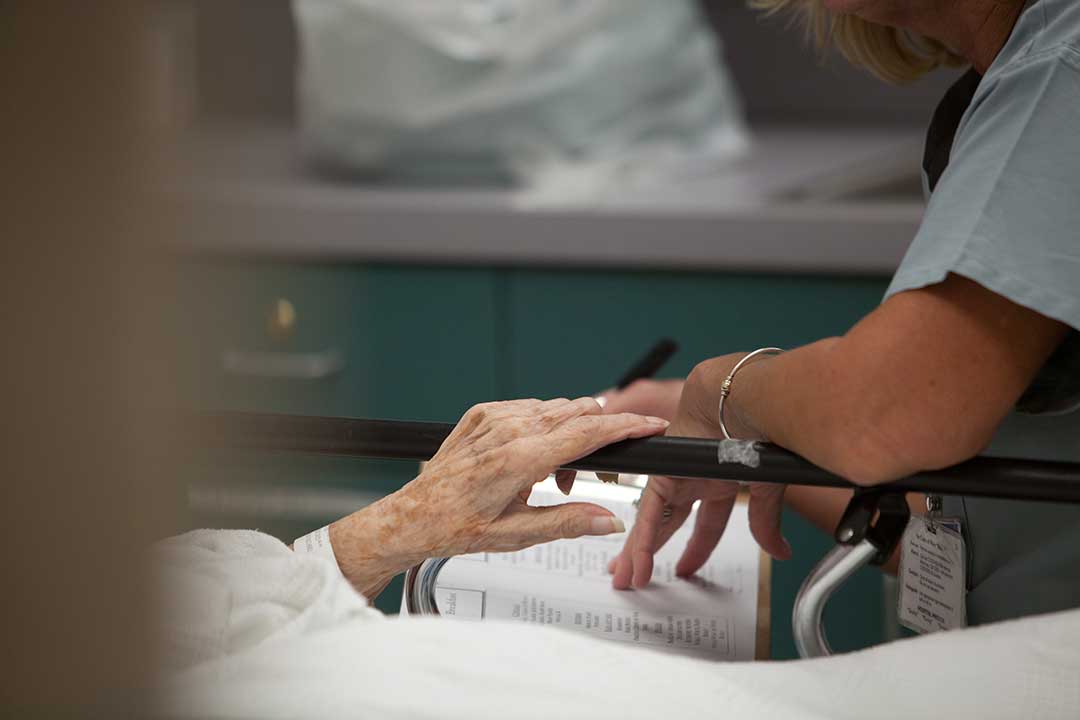
The residence may also explain which conditions or care needs it can support and when a different level of care would be required.
How should the financial side be reviewed?
Assisted living is usually paid privately, and Medicaid generally does not cover the full room-and-board cost. Some residents may qualify for limited public benefits or home- and community-based assistance, but eligibility and coverage vary. Pennsylvania notes that payment rates are generally set by each facility and that many residents pay privately. ([pa.gov](https://www.pa.gov/agencies/dhs/resources/aging-physical-disabilities/personal-care-homes?utm_source=openai))
Request a written breakdown of:
- Base monthly rent
- Personal care or service-level charges
- Medication management fees
- Transportation costs
- Laundry, cable, telephone, or internet charges
- Move-in, community, or administrative fees
- Costs for higher levels of care
- Policies for refunds, deposits, and rate increases
A realistic budget should include personal spending, clothing, medical equipment, prescriptions, and transportation for appointments. It is also wise to ask how the residence communicates future price changes.
What should be done during the move?
Start with essential items rather than attempting to move an entire household at once. Many residents adjust more easily when the new room includes familiar photographs, a favorite chair, a clock, a quilt, or other recognizable belongings.
For homes in the area, seasonal planning may matter. Snow, icy walkways, cold temperatures, and shorter winter days can make moving equipment and transportation more complicated. Confirm the move-in time, parking or loading instructions, elevator access, medication timing, and who will receive important documents.
Label clothing and personal items. Keep medications, identification, legal documents, hearing aids, glasses, and mobility devices together rather than placing them in general moving boxes.
What happens after move-in?
The first few weeks are an adjustment period. Staff learn the resident’s routines, preferences, communication style, and actual level of support needed. Family members can help by observing changes without taking over every decision.
Helpful follow-up questions include:
- Is the resident eating and drinking adequately?
- Are medications being taken as intended?
- Is the person sleeping, participating, and finding the room safely?
- Are clothing, glasses, hearing aids, and personal items available?
- Does the support plan reflect the resident’s real needs?
- Are there concerns about falls, loneliness, confusion, or unexplained charges?
A move is not complete when the boxes are unpacked. It is complete when the resident’s care plan, personal routines, finances, belongings, and relationships are working together in the new setting.
