
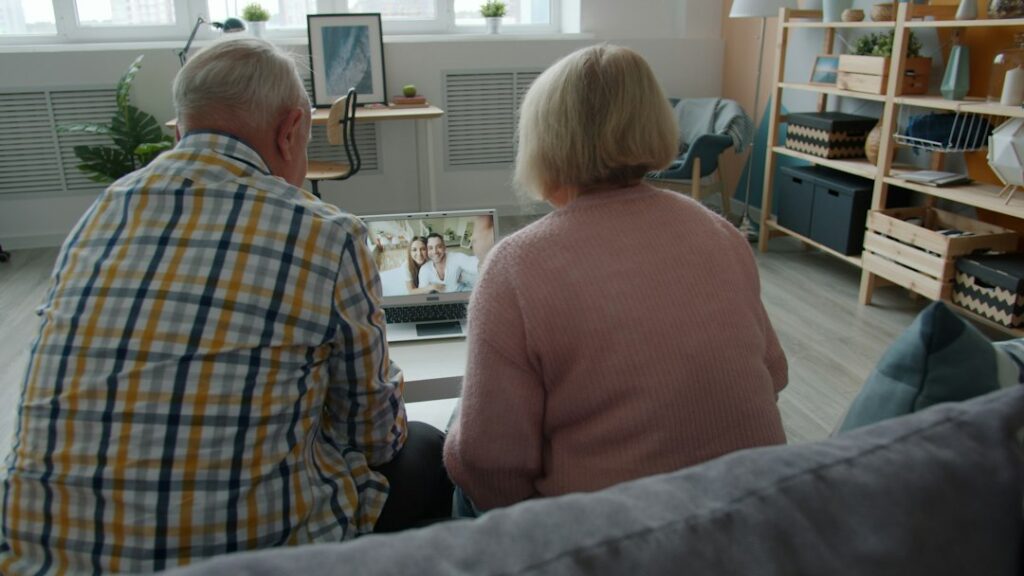
Change can be difficult at any age, but older adults may face several transitions close together: moving from a longtime home, adjusting to assisted living, losing a spouse or friend, managing new health limits, or relying more on family. These changes can affect mood, sleep, confidence, and daily routines. With patience and practical support, seniors can regain a sense of control and connection.
Why can change feel especially difficult for seniors?
Older adults often have strong ties to familiar places, routines, neighbors, and personal belongings. A change that seems manageable to someone else may represent the loss of independence, privacy, identity, or long-standing habits.
Several transitions may also happen at once. A senior might be coping with a move while learning new medications, adapting to mobility equipment, and grieving a familiar home. Physical changes, hearing or vision loss, memory problems, and transportation challenges can make adjustment harder.
Resistance does not always mean a person is being stubborn. Anger, withdrawal, repeated questions, or reluctance to participate may reflect fear, grief, confusion, or a need for more time.
What helps seniors adjust to assisted living?
The adjustment process is usually easier when older adults have choices, familiar objects, predictable routines, and opportunities to participate in decisions. Assisted living should not feel like a complete loss of control.
Helpful approaches include:
- Allowing the senior to choose clothing, activities, meals when possible, and how personal belongings are arranged
- Bringing familiar photographs, quilts, books, music, decorations, and everyday items from home
- Establishing regular times for meals, rest, visits, phone calls, and activities
- Explaining changes in simple language and repeating information without showing frustration
- Introducing new people gradually rather than expecting immediate social comfort
- Recognizing progress, such as attending a group activity or learning a new route through the building
A familiar daily rhythm can be especially reassuring during winter weather, when ice, snow, and shorter daylight hours may limit outdoor activity in the region. Indoor routines that include movement, conversation, hobbies, and natural light can help reduce isolation.
How can family members support a senior who is grieving?
Family support begins with listening rather than quickly trying to solve the problem. Grief may follow the death of a spouse, but it can also result from losing a home, driving privileges, physical abilities, social roles, or the ability to manage familiar tasks.
A helpful conversation might include:
- “What part of this change has been hardest?”
- “What do you miss most about home?”
- “What would make today feel a little easier?”
- “Would you like company, help with a task, or time alone?”
Avoid telling a grieving person to “stay positive” or suggesting that the loss should be easy to accept. Grief is not always expressed through tears. Some seniors become quiet, irritable, distracted, or unusually tired.
Regular contact is often more useful than occasional lengthy visits. A short visit, shared meal, phone call, or familiar activity can provide reassurance. Conversations should not focus only on health problems or schedules. Older adults also need opportunities to discuss memories, interests, current events, family stories, and ordinary daily experiences.
How can seniors maintain a sense of independence?
Independence does not mean doing everything without help. It means retaining meaningful control over daily life. Even when a senior needs assistance with bathing, medications, meals, or transportation, other decisions may remain personal.
Support independence by separating tasks into three categories:
1. Activities the senior can safely do alone
2. Activities the senior can do with reminders or limited assistance
3. Activities that require direct help for safety
This approach prevents unnecessary dependence. For example, a person may need help organizing medication but still be able to choose clothing, fold towels, write letters, water indoor plants, or decide which activities to attend.

Family members sometimes take over too quickly because they are worried. However, doing every task for a senior can reduce confidence and physical ability. Allow extra time for safe participation instead of correcting every small difference in the way a task is completed.
What routines reduce anxiety after a major transition?
Predictable routines help the brain recognize what to expect. A schedule does not need to be complicated. It may include waking, dressing, eating, walking, resting, visiting, and preparing for bed at generally consistent times.
Visual reminders can help, especially for someone with memory changes. A large clock, calendar, labeled drawers, a written daily plan, or a simple list of upcoming visitors may reduce repeated uncertainty.
Transitions within the day can also cause stress. Moving from a room to a dining area, preparing for an appointment, or changing from an activity to rest may be easier with advance notice. Brief explanations such as “Lunch begins in fifteen minutes” give the senior time to prepare mentally.
Routines should remain flexible. Illness, poor sleep, weather, and emotional strain may require a slower day. Consistency is helpful, but rigid expectations can create additional pressure.
How can assisted living staff and family recognize concerning changes?
A temporary period of sadness or frustration is common after a move. More serious concerns may include persistent hopelessness, refusal to eat or drink, significant sleep disruption, sudden confusion, repeated falls, unusual aggression, or withdrawal from nearly all activities.
A sudden change in behavior can sometimes be related to pain, infection, medication effects, dehydration, constipation, poor hearing, or another medical problem. New or rapidly worsening symptoms should be reported promptly to the senior’s healthcare team or the appropriate emergency service, depending on severity.
Any mention of self-harm, a wish to die, or feeling that life is not worth living requires immediate attention. The person should not be left alone, and urgent crisis or emergency support should be used.
Changes that develop gradually also deserve attention. Keeping brief notes about mood, appetite, sleep, participation, and confusion can help identify patterns and provide useful information during healthcare discussions.
How can older adults build new connections?
Social adjustment takes time. A senior does not need to become highly outgoing to benefit from connection. One familiar person, a regular activity, or a shared interest may be enough to begin.
Activities are more successful when they match the person’s abilities and interests. Someone who dislikes large groups may prefer a quiet conversation, a card game, music, gardening, faith-based reflection, or helping with a simple shared task. Participation should be invited, not forced.
Family members can support connection by sharing conversation starters, photographs, music, or familiar stories. Intergenerational visits may also help, provided they are calm and not overly demanding.
For residents in Ellwood City, seasonal traditions and neighborhood relationships may carry special meaning. Preserving familiar foods, holiday customs, local memories, and regular contact with trusted people can help a new living arrangement feel less disconnected from the person’s history.
When should a family seek additional guidance?
Extra support may be appropriate when distress lasts for several weeks, interferes with eating or sleep, causes unsafe behavior, or prevents the senior from participating in basic care. Guidance may also be needed when family members disagree about the safest living arrangement or feel unable to manage changing needs.
The goal is not to eliminate every difficult emotion. A healthy adjustment allows room for sadness and frustration while gradually restoring comfort, purpose, and daily structure. Seniors often cope better when changes are explained honestly, choices are preserved, familiar parts of life are carried forward, and support is offered without taking away dignity.
