
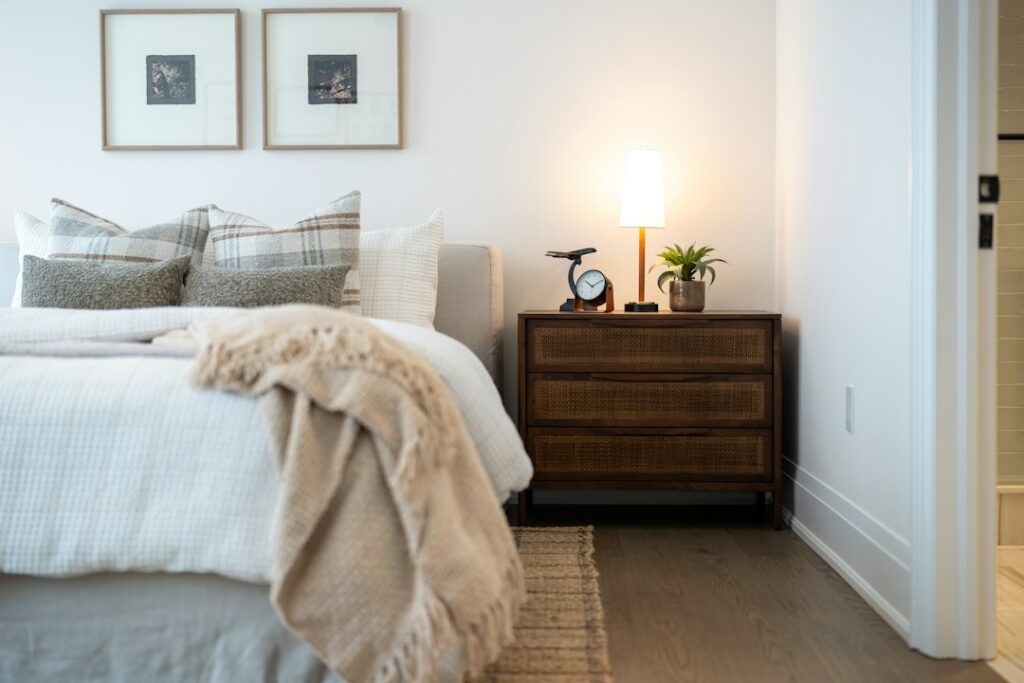
Moving into assisted living often involves adjusting to a smaller space, a new routine, and shared community surroundings. Personalizing the apartment can make that transition easier by bringing familiar sights, sounds, textures, and daily habits into the new setting.
The goal is not to recreate an entire former home. A comfortable apartment usually depends on thoughtful choices that support independence, safety, memory, and emotional well-being.
What should be brought into an assisted living apartment first?
Start with the belongings that provide daily comfort and have a clear purpose. Favorite furniture, family photographs, familiar bedding, a reading lamp, and a few meaningful decorations often contribute more than a large number of packed boxes.
Before moving day, consider the apartment’s measurements and layout. Assisted living rooms vary, and some may already include furniture. Measure important items such as:
- A favorite chair or recliner
- A small dresser or nightstand
- A television stand
- A bookcase
- A bedside table
- A compact dining table
Choose pieces that fit without narrowing walking paths. An item that worked well in a larger house may become difficult to use in a smaller apartment.
A practical first group of belongings may include:
- Comfortable clothing organized by season
- Frequently used toiletries
- Medications managed according to the community’s procedures
- A clock with large, easy-to-read numbers
- A telephone or other communication device
- Favorite music, books, puzzles, or crafts
- A small number of personal decorations
The first few days are usually easier when essential items are unpacked before decorative items.
How can an apartment feel familiar without becoming crowded?
Use visual anchors to make the space easier to recognize. A familiar quilt on the bed, a favorite chair near the window, or a family photograph beside the doorway can help establish a sense of place.
Decorations are often most effective when grouped rather than scattered. A small arrangement of framed photographs may be easier to enjoy than pictures covering every wall. Similar colors, familiar artwork, and favorite textures can create continuity with a previous home.
A few personal touches may include:
- A framed family tree or labeled family photographs
- A small collection of favorite books
- A familiar throw blanket
- Artwork connected to a hobby, faith, or personal history
- A decorative bowl for keys or personal items
- A calendar showing birthdays, appointments, and upcoming events
Avoid placing valuable heirlooms, fragile objects, or irreplaceable documents in areas where they could be misplaced or damaged. Copies or photographs of sentimental items can sometimes preserve the memory without creating unnecessary worry.
What furniture arrangement supports safety and independence?
Furniture should make movement simple and predictable. Leave a clear route between the bed, bathroom, sitting area, and entrance. Walking paths should not require stepping around footstools, electrical cords, plant stands, or loose rugs.
Helpful arrangement principles include:
- Place the bed where both the bed and room entrance are easy to see.
- Keep a lamp, telephone, and frequently used items within reach.
- Position chairs so a resident can sit down and stand up without twisting tightly.
- Keep drawers and closet doors able to open fully.
- Avoid placing furniture directly beside a doorway.
- Keep mobility equipment, such as a walker, where it can be reached easily without blocking traffic.
Area households may be familiar with winter coats, boots, and heavier clothing during colder weather. These items should have an assigned storage location so they do not collect near the entrance or become a tripping hazard. Wet footwear and umbrellas should also be kept where floors can remain dry.
Safety changes may need to be reviewed with staff, especially if a resident uses a walker, wheelchair, oxygen equipment, or other assistive device. Do not add grab bars, locks, electrical changes, or other permanent modifications without checking the apartment’s rules and safety requirements.
How can lighting improve comfort and orientation?
Good lighting can reduce glare, shadows, and confusion. A combination of ceiling lighting, task lighting, and soft evening lighting is often more useful than a single bright fixture.
Use lamps for activities such as reading, dressing, sorting medication, or working on a puzzle. Night-lights can help identify the route to the bathroom, but cords should be secured and lamps should not be placed where they can be knocked over.

Window coverings should allow daylight while controlling glare. In colder months, curtains can also help the room feel warmer and more familiar, although they should not cover heaters or interfere with windows needed for emergency access.
A large clock and a clearly visible calendar may help with time orientation. For residents who experience memory changes, simple labels on drawers or cabinets can make daily tasks easier.
What personal items are helpful for memory support?
Familiar objects can encourage conversation and help connect the present environment with a resident’s life story. Items may include wedding photographs, military memorabilia, gardening tools, recipe cards, craft supplies, or pictures of pets.
Memory displays work best when they are simple and recognizable. A small collection of labeled photographs can help visitors, staff, and residents identify people and events. Labels should use large, high-contrast lettering and plain language.
For someone with dementia or other cognitive changes, avoid frequent rearrangement. Keeping important items in consistent locations can reduce frustration. A familiar object near the apartment entrance may also help distinguish the doorway from neighboring rooms.
Personalization should reflect the resident’s current abilities as well as past interests. An activity that once required complex equipment may need to be simplified into a safer version, such as sorting photographs, folding towels, listening to familiar music, or arranging flowers without sharp tools.
How should technology be added?
Technology can support communication, entertainment, reminders, and safety, but it should match the resident’s comfort level. A simple device with large buttons may be more useful than a feature-heavy system.
Before bringing electronics into the apartment, identify who will help with charging, passwords, updates, and troubleshooting. Keep written instructions short and visible. For example, a card beside the television might explain how to turn it on, adjust the volume, and return to the preferred channel.
Useful technology may include:
- A telephone with large buttons
- A digital photo display
- A simple music player
- A tablet for video calls
- A large-screen television
- A clock displaying the date and time
Privacy settings, emergency procedures, and community policies should be reviewed before using cameras, recording devices, or internet-connected equipment.
What should families avoid bringing?
Overpacking can make the apartment harder to navigate and may increase stress. Avoid bringing large quantities of clothing, duplicate kitchen items, unsecured rugs, unstable furniture, and decorations that require frequent maintenance.
Scented candles, space heaters, open flames, and certain appliances may be restricted because of fire safety rules. Plants can add warmth, but they should be non-toxic if pets or visiting animals may be present, and they should not create watering or pest problems.
Create a simple inventory of valuable belongings and label items discreetly where appropriate. Family members can divide responsibility for seasonal clothing, photographs, and keepsakes rather than placing everything in the apartment at once.
How can personalization continue after move-in?
An apartment does not need to be finished on the first day. After a week or two, observe what the resident uses, what remains untouched, and where movement feels difficult. Adjust the space gradually.
Ask specific questions rather than broad ones:
- Is the reading chair in a comfortable location?
- Can the bathroom be found easily at night?
- Is the closet arranged for the current season?
- Which photographs receive the most attention?
- Are frequently used items within reach?
Personalization is most successful when the apartment supports the resident’s real routines. A smaller collection of useful, familiar belongings can provide more comfort than a crowded room filled with items that are difficult to access.
